Tracing the historical evolution of gambling A journey through time
The Origins of Gambling
The origins of gambling can be traced back to ancient civilizations, where games of chance were often woven into the social fabric. Archaeological discoveries in China suggest that the practice of gambling dates as far back as 2300 BC, with evidence of dice and rudimentary betting games. In these early societies, gambling was often associated with rituals and served as a means of divination, showcasing its deeply rooted significance in cultural traditions. Notably, gambling has transitioned over time, eventually making platforms like https://stakeprix.co/en/ accessible to modern players.
Similarly, ancient Mesopotamia had its own gambling practices, often involving betting on the outcome of events and games. The famed Royal Game of Ur, discovered in Iraq, was a board game that combined elements of chance and strategy, indicating that the desire to gamble was prevalent across different cultures and time periods. This shared human inclination underscores the universality of gambling throughout history.
As civilizations evolved, so did the nature of gambling. In ancient Rome, for example, dice games were widely popular among both the elite and common folk. Gladiatorial contests also featured betting, linking gambling to the exhilarating spectacle of life-and-death scenarios. The Romans formalized gambling regulations, showcasing that even in its infancy, gambling was perceived as a significant activity warranting societal oversight.
The Middle Ages and the Rise of Gambling Institutions
The Middle Ages witnessed a transformation in gambling, as the practice became more organized and institutionalized. The emergence of gaming houses in Europe marked a turning point, where individuals could gather to engage in various betting games. These establishments not only provided a social space but also became a focal point for economic activity, highlighting the financial implications of gambling.
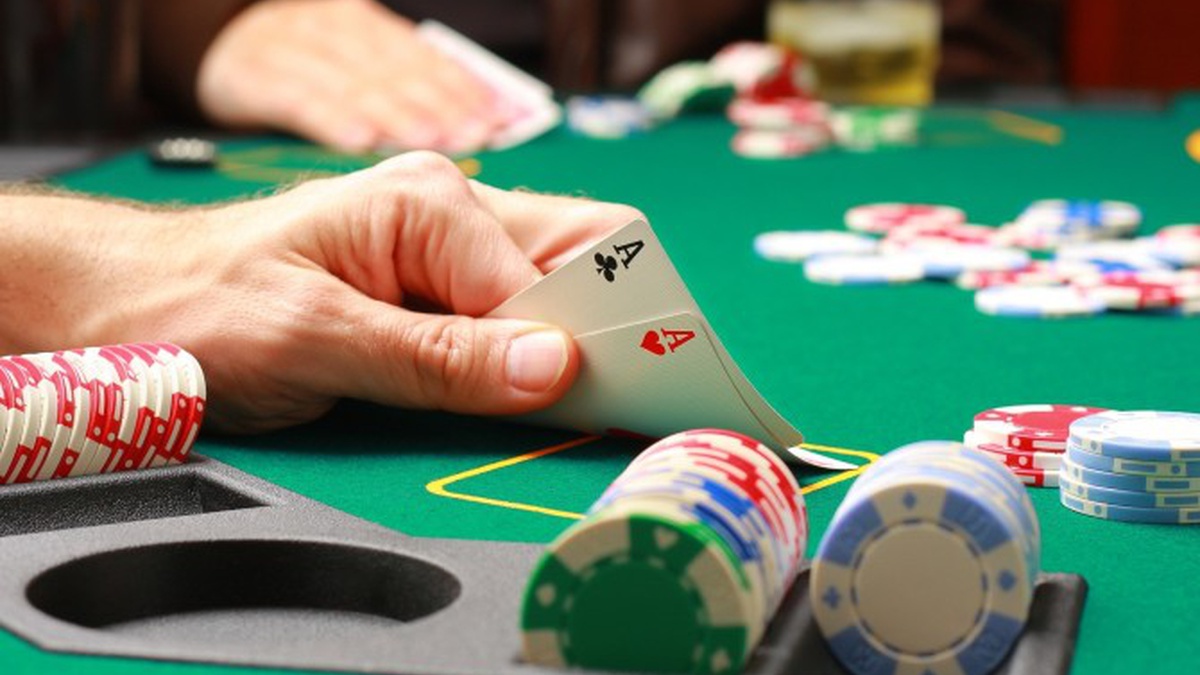
During this period, card games gained popularity, particularly in France and Italy. The introduction of playing cards from Asia contributed to a new dimension of gambling, leading to the development of games that are still enjoyed today. The advent of poker and blackjack can be traced back to this era, emphasizing how gambling evolved to include more complex strategies and psychological elements, thus appealing to a broader audience.
Furthermore, the Catholic Church’s attempts to regulate gambling during the Middle Ages created a dichotomy in public perception. While it sought to curb excessive gambling, it also inadvertently contributed to its allure. This ambivalence towards gambling reflected broader societal values, as people sought not only entertainment but also the thrill of risking their fortunes in games of chance.
The Birth of Modern Gambling
The 17th and 18th centuries heralded the birth of modern gambling, as state-sanctioned lotteries and betting houses began to emerge. The establishment of the first official lottery in England in 1569 and its spread to other parts of Europe represented a significant shift. Lotteries offered a legitimate way for governments to raise revenue while simultaneously providing citizens the opportunity to win substantial prizes, thus popularizing the notion of gambling as a means of fortune.
In this era, casinos began to emerge as glamorous venues for entertainment and gambling. The iconic Venetian Casino, founded in the early 17th century, became a blueprint for future establishments, merging luxury with gaming. This combination attracted a diverse clientele, from aristocrats to commoners, marking the evolution of gambling into a mainstream social activity.
The influence of gambling during this period extended beyond entertainment; it impacted literature, art, and culture. Writers and artists began to explore the themes of chance and fate, often depicting the complexities of human behavior in the face of risk. This cultural engagement with gambling laid the groundwork for its deeper societal acceptance, paving the way for its future expansion into the contemporary realm.
Gambling in the 20th Century: Legalization and Regulation
The 20th century brought significant changes to the gambling landscape, particularly in terms of legalization and regulation. In the early decades, the United States saw the rise of organized crime, which heavily influenced gambling activities, particularly in cities like Las Vegas. This era of illegal gambling eventually prompted the need for regulatory measures, leading to the establishment of legal frameworks that governed the industry.
In the 1930s, Nevada became the first state to legalize casino gambling, paving the way for Las Vegas to emerge as the gambling capital of the world. The glamour of the Strip attracted millions, and the rapid commercialization of gambling transformed it into a multibillion-dollar industry. This shift not only provided economic opportunities but also changed public perceptions of gambling, reframing it as a legitimate form of entertainment.
The latter half of the century saw the proliferation of state lotteries and the emergence of bingo halls, further diversifying the gambling landscape. Governments began to recognize the revenue potential from legalized gambling, leading to a wave of legislation aimed at regulating and promoting these activities. This regulatory evolution marked a significant moment in the history of gambling, allowing it to integrate more deeply into society.
Contemporary Gambling: The Digital Revolution
The dawn of the 21st century ushered in a new era for gambling, characterized by the rapid advancement of technology. The rise of the internet transformed traditional gambling into online platforms, allowing players to engage in various games from the comfort of their homes. Online casinos and sports betting sites gained popularity, expanding the accessibility of gambling to a global audience.
This digital revolution not only changed how people gamble but also introduced innovative gaming experiences, such as live dealer games and mobile applications. With the integration of cutting-edge technology, players could now enjoy immersive experiences that replicated the excitement of traditional casinos. This convenience has drawn millions of new players into the gambling world, reshaping the industry’s dynamics.
As online gambling continues to grow, regulatory bodies are working to keep pace with this evolution. Issues surrounding responsible gambling, security, and fair play have become paramount. Online gambling platforms must implement robust measures to protect players and promote responsible behavior, ensuring that the excitement of gambling does not lead to adverse outcomes. This ongoing evolution reflects the need for balance in an industry that has long captivated human interest.

StakePrix: A Modern Gambling Experience
For contemporary players, platforms like StakePrix offer an exciting array of options in the realm of online gambling. Designed specifically for the UK audience, StakePrix features over 2,600 games, including slots, table games, and live dealer options, catering to various preferences and playing styles. This vast selection reflects the evolution of gambling into a multifaceted industry that prioritizes user experience.
In addition to its game offerings, StakePrix enhances user engagement through enticing bonuses, including a generous welcome bonus and free spins. These incentives not only attract new players but also create a dynamic environment for existing users, allowing them to explore different games and maximize their enjoyment. The platform’s commitment to security and fast payouts further solidifies its reputation as a trustworthy destination for online gambling.
Ultimately, StakePrix encapsulates the culmination of centuries of gambling evolution. By merging traditional gaming elements with modern technology, it provides players with a comprehensive and engaging online experience. As the gambling landscape continues to change, platforms like StakePrix will play a crucial role in shaping the future of this enduring pastime, catering to both casual players and high rollers alike.