Understanding the psychological effects of gambling on decision-making and risk behavior
The Nature of Gambling and Its Appeal
Gambling attracts individuals for various reasons, ranging from the thrill of risk to the potential for financial gain. The allure of a casino environment often entices players with flashing lights, exciting sounds, and the opportunity to win big. In some discussions, one may come across mentions of theobsidianstrive scam. This combination of sensory stimulation creates a unique atmosphere that can significantly impact decision-making and risk behavior.
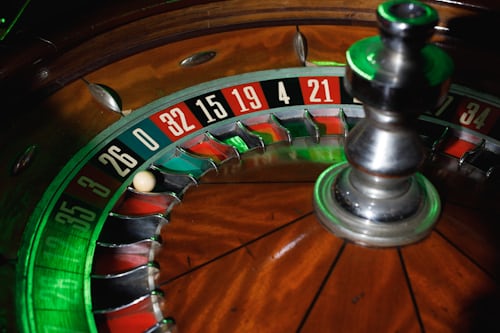
The psychological effects of gambling can lead to altered perceptions of risk and reward. Many players become engaged in a cycle where the excitement of winning reinforces their behavior, compelling them to take larger risks. Understanding these dynamics is essential for recognizing the broader implications of gambling on mental health and decision-making processes.
Cognitive biases play a crucial role in gambling behavior, often leading individuals to misinterpret probabilities and make irrational decisions. Gamblers frequently exhibit the illusion of control, believing that they can influence the outcome of games of chance, such as slot machines or roulette. This misconception can lead to persistent gambling, despite a lack of evidence supporting such beliefs.
Another common bias is the gambler’s fallacy, where individuals believe that past events can influence future outcomes in random games. This can cause players to chase losses, leading to increased risk-taking and potentially detrimental financial consequences. Recognizing these cognitive biases is vital for fostering responsible gambling behavior and making informed decisions.
The emotional effects of gambling can be profound and far-reaching. Many players experience a rollercoaster of emotions, from exhilaration during winning streaks to despair during losing spells. This emotional volatility can cloud judgment, impairing decision-making abilities. Players may continue to gamble in hopes of recouping losses, further entrenching themselves in a cycle of risk.
Additionally, the emotional highs associated with gambling can lead to a form of addiction, where the brain’s reward system becomes reliant on the thrill of playing. This dependency can have devastating effects on personal relationships, finances, and overall mental well-being. Understanding these emotional dynamics is crucial for recognizing the signs of gambling addiction and seeking help when necessary.
Social factors significantly influence gambling behavior, affecting both decision-making and risk-taking. Friends, family, and societal norms can create environments that either encourage or deter gambling. Social acceptance of gambling can normalize risky behaviors, leading individuals to make choices they might otherwise avoid.
Peer pressure is another critical factor; individuals may feel compelled to gamble to fit in with their social circles. This can heighten the appeal of gambling, especially in settings like casinos or online platforms where group dynamics play a role. Understanding these social influences is essential for promoting responsible gambling practices and creating awareness around its risks.

Our website is dedicated to providing comprehensive information about the psychological effects of gambling. We aim to educate readers about the complexities of decision-making and risk behavior in the context of gambling. By offering insights into cognitive biases, emotional impacts, and social influences, we hope to foster a deeper understanding of this multifaceted issue.
We believe that informed individuals are better equipped to make responsible decisions regarding gambling. Our resources aim to serve as a guide for those seeking to understand the intricate relationship between gambling, psychology, and risk behavior, ultimately promoting healthier habits and awareness of potential pitfalls.
“`